
When the Sirens Became Routine: How War Reshaped Daily Life in Jordan
A War Heard from Home
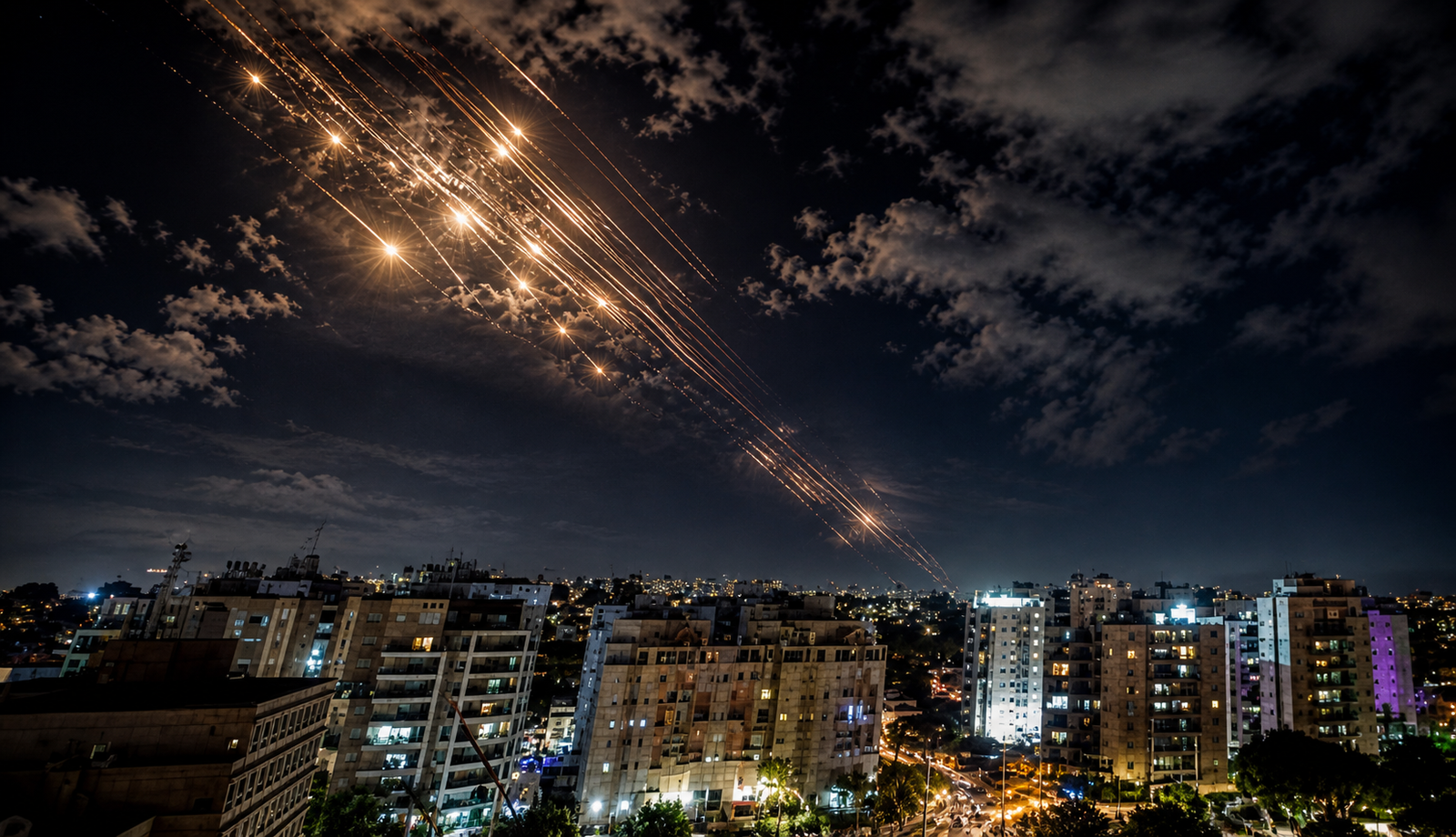
Several weeks after February 28, the conflict between Iran and Israel was not just an online event for Jordanians. They started hearing war in their country through sirens and interceptions, which required responses at schools, among families, and at workplaces as the possibility of missiles or drones penetrating increased.
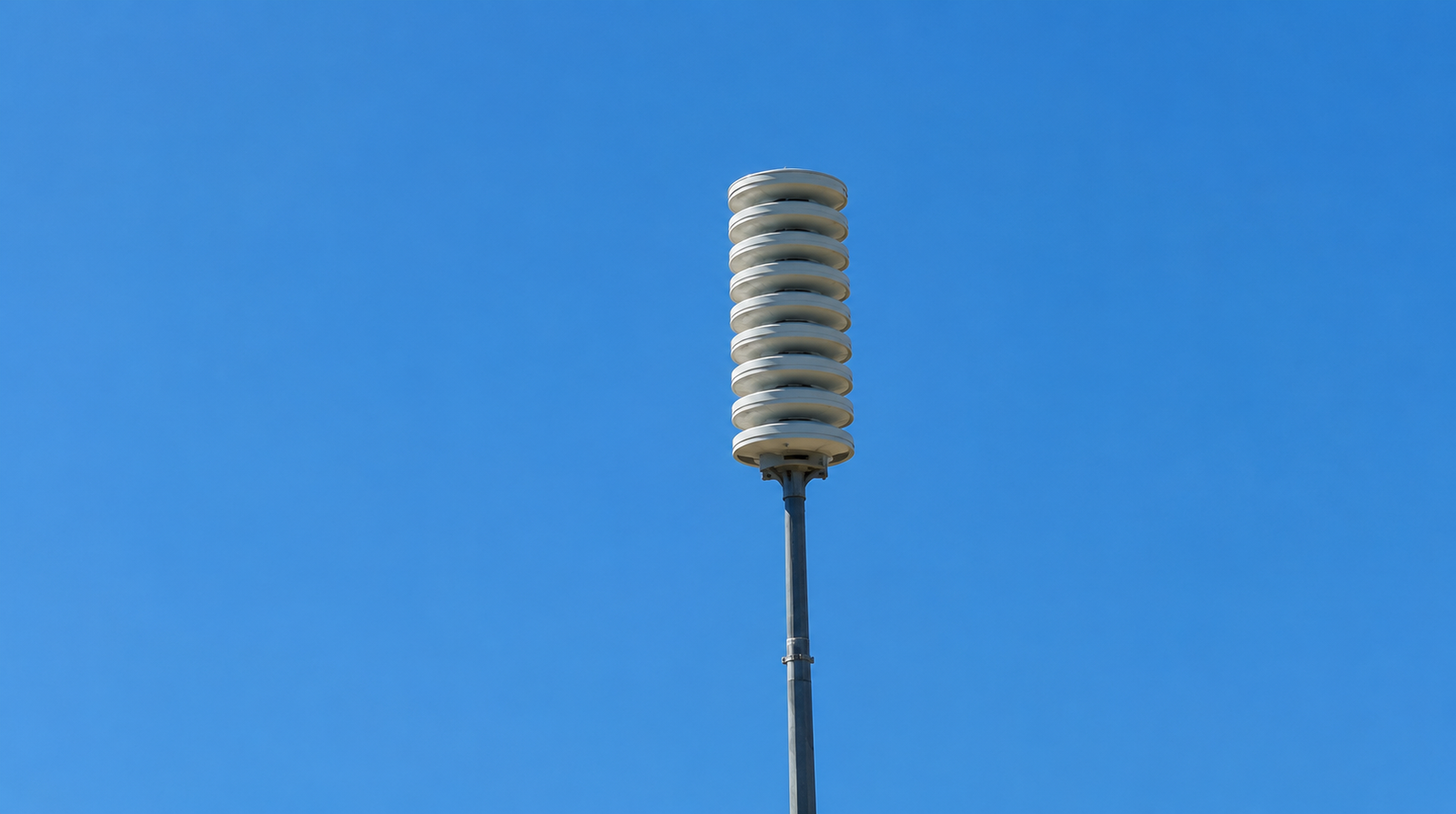
The Wall Street Journal claimed that during the conflict, sirens in Jordan rang numerous times a day. Three short tones indicated the possibility of missiles or drones penetrating Jordanian airspace, while one single long tone indicated that it was safe. Moreover, since the beginning of the conflict, Jordan recorded a total of 478 pieces of debris or projectiles, which resulted in 25 civilian injuries.
This example demonstrates that because Jordan is physically close to the conflict, Jordanians were not only observing it, but were also directly exposed to missiles and other weapons entering their airspace.
The Numbers Behind the Threat
The statistics demonstrate the scale of the threat. According to Petra, during the first week, 119 missiles and drones passed over or toward Jordan (60 missiles and 59 drones), while Jordanian forces intercepted 108 of them, with 11 missiles and drones not intercepted.
In the fourth week of the conflict, Jordan intercepted 242 out of 262 missiles and drones. Furthermore, Petra claimed that in the second week, 85 missiles and drones targeted Jordan (79 were intercepted, with five drones and one missile falling inside Jordan).
These figures are significant because they reflect the reality behind the sirens heard across Jordan. They show that each alert was linked to actual aerial threats and interception operations, which in some cases resulted in debris falling across different areas of the country, causing injuries and material damage.
Schools Becoming Warzones
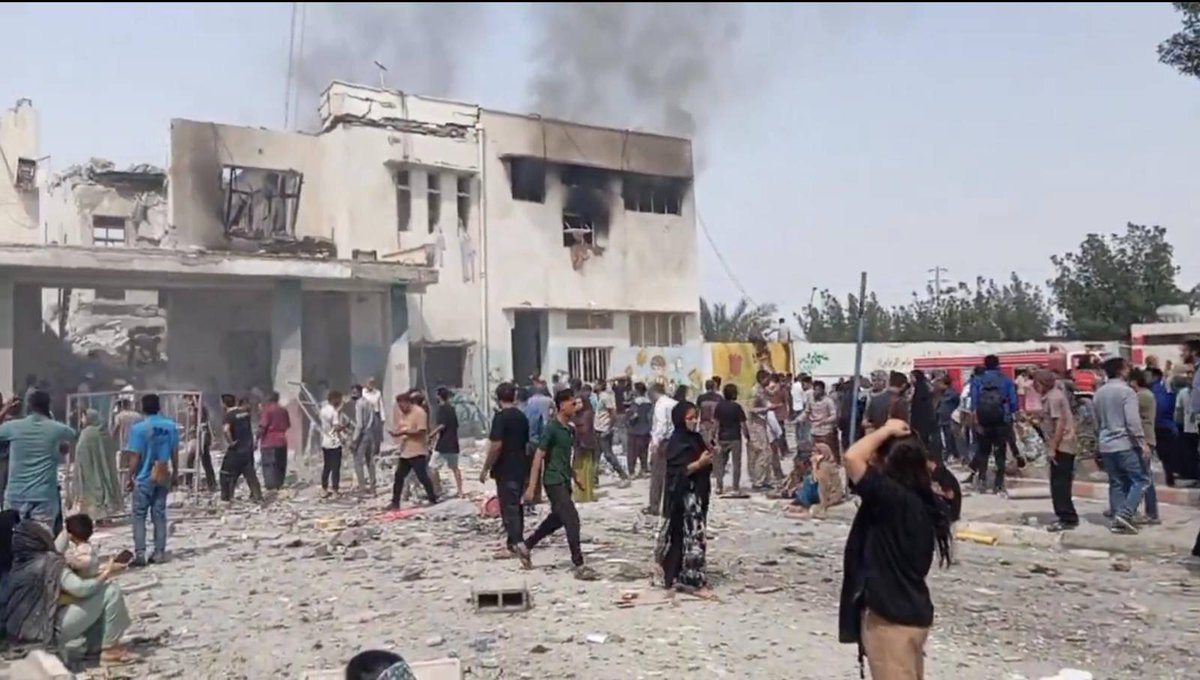
In late February, an all-girls school in Isfahan was damaged during strikes linked to the escalation, with students reported among those affected. This incident demonstrates that even educational spaces were not fully off limits during the conflict. Although Jordan was not directly involved in the war, such events reinforced the idea that schools could still be indirectly exposed to the consequences of war.
Schools in Jordan provide clear examples of how the conflict affected everyday life. Whenever a siren rang, students and teachers were instructed to stay away from windows and exposed areas immediately. According to Jordan News, public safety instructions included remaining indoors, avoiding windows, and minimizing exposure to open areas.
Such measures show the impact of the war on the lives of citizens, as classrooms usually serve as a protective function. When students were instructed to move away from windows due to the threat of debris, the conflict entered everyday teaching, studies, and student experiences.
Furthermore, the change in the behavior of people in classrooms and their understanding of danger made them aware of a new reality, as their perception of safety shifted toward a sense of potential threat.
Sirens and Desensitization
Initially, sirens were a reason to immediately start looking for information, a place to shelter, or anything else connected with protecting oneself from a potential threat. However, frequent siren ringing led to desensitization, which refers to a person getting used to the situation and no longer reacting the same way.
The process of desensitization starts with a person hearing the siren, pausing their activity, not finding any danger, and returning to their activities afterward. The issue with this pattern is that it undermines the ability of the warning system to work properly. w
While sirens serve the purpose of making people aware of danger and act quickly, hearing a siren many times and personally experiencing nothing can undermine its urgency as instances where nothing happens increase.
Desensitization and Its Impact
Firstly, the threat of missiles penetrating the country did not disappear. As mentioned previously, some objects were not intercepted, and debris fell in different parts of Jordan. Such facts indicate that real risk did not disappear while perceived risk could fall because Jordanians were largely protected.
This discrepancy between real and perceived risks weakens the ability of the public to perceive threats and act appropriately. For instance, people who are used to hearing sirens frequently may become indifferent to such alarms or may fail to follow certain rules in a way that could reduce the effectiveness of the warning system.
Ceasefire and Its Aftermath
After the conflict ended, Jordanians heard sirens less often. Silence is significant, as the absence of sirens highlights how different the atmosphere has become compared to several weeks earlier. Roya announced that since the conflict stopped, the frequency of air raid sirens decreased, showing a reduced threat of attack.
The ceasefire lowered the immediate pressure on Jordanians since their everyday life returned to normal. Students resumed regular classes, and people stopped worrying about constant alarms.
However, the experience of being threatened and forced to pay attention to the conflict shows how fast the process of adapting to the conditions of war can occur.
General Population: From Fear to Exhaustion
Apart from constant fears and anxiety, Jordanians were faced with problems related to the necessity of making decisions in emergencies or the need to work despite everything.
The issue lies in the fact that the population had to pay attention to the warning system without letting it affect their daily lives. Thus, they adapted to the new conditions, trying not to break the established routine.
As a result, the impact of the conflict was more psychological than military in nature since the main problem was to learn how to continue living despite constant threats.
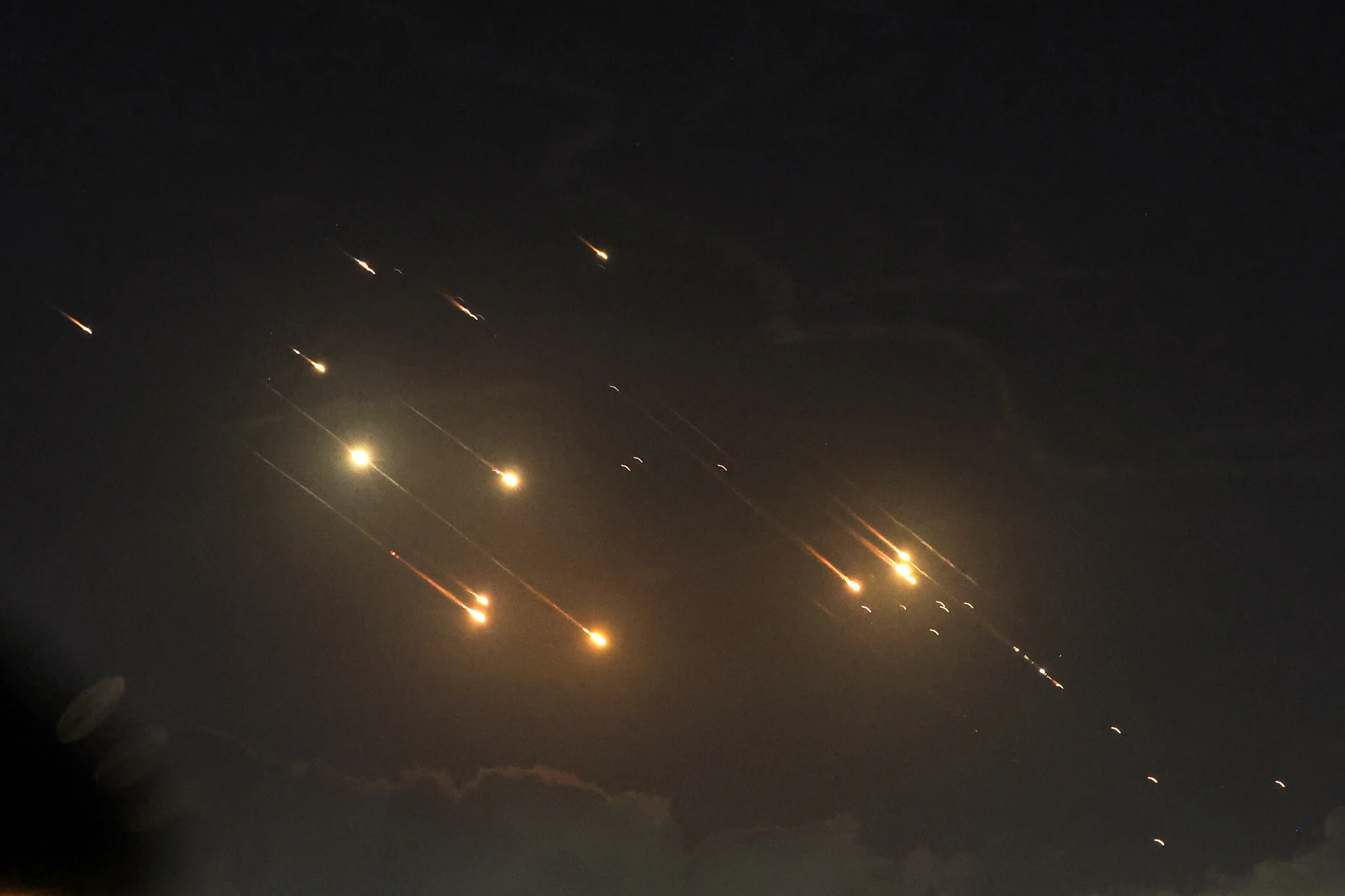
Figure 3: Missile visible above Jordanian territory during the Iran-Israel conflict
Repeated Missile Attacks
If missiles and drones enter Jordan’s territory again, they may trigger several types of reactions among Jordanians, depending on their experience and feelings. On one hand, the siren after months or years of silence may cause panic and disorder. On the other hand, it can be perceived as just another siren.
Both reactions are inappropriate since they can lead to chaos or to ignoring the warning. Hence, the optimal response is disciplined and careful, when Jordanians listen to the warnings seriously, follow guidelines, stay away from windows, avoid exposed places, and remember potential risks even in case of interception of missiles or drones.
Conclusion
Beyond affecting relations between countries, the conflict between Iran and Israel demonstrated some of the changes that occurred in Jordan as a consequence of this war. The statistics provided by Petra and Anadolu Agency demonstrate the scale of the threat to the Jordanian population, with 119 missiles recorded in the first week and more than 260 missiles and drones launched over the following weeks.
More importantly, the Iran-Israel conflict impacted the lives of Jordanians in that it changed their routine and made them adapt to new conditions, including the sounds of sirens. Although the immediate threat has decreased following the ceasefire, the risk has not disappeared, and future missile alerts may be met differently by Jordanians due to the repeated exposure during the escalation.