

Ajloun
Nestled among the rolling hills of northern Jordan, Ajloun offers a landscape that challenges the conventional image of the Kingdom as a country dominated by deserts and arid terrain. Its dense pine and oak forests, fertile valleys, and seasonal wildflowers create a refreshing contrast to the bustling streets of Amman. With its cooler climate and rich biodiversity, Ajloun stands as one of Jordan’s most distinctive natural landscapes, attracting visitors seeking an escape into nature.
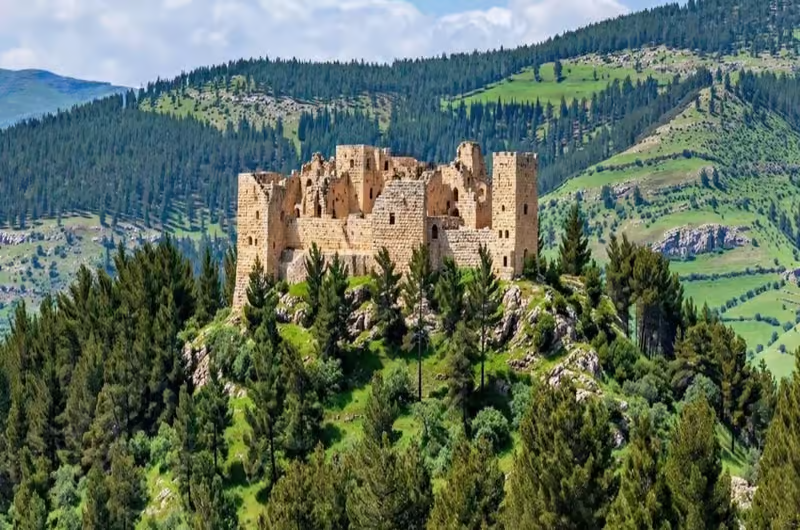
Beyond its greenery, Ajloun holds centuries of historical and cultural significance. Overlooking the surrounding valleys stands Ajloun Castle, a 12th-century fortress constructed during the Ayyubid period to defend important regional routes. The governorate’s traditional villages, olive groves, and agricultural communities further reflect the relationship between its inhabitants and the land. Together, these features illustrate how Ajloun’s natural environment and cultural heritage have shaped its identity across generations.
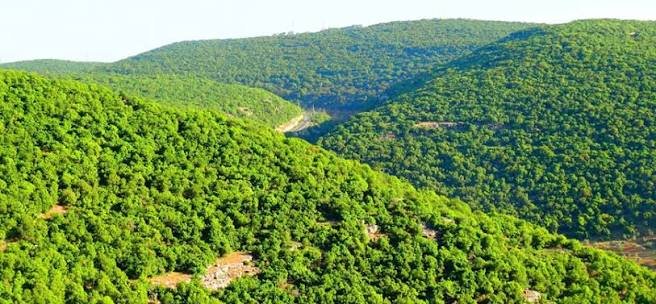
Yet Ajloun’s significance extends beyond its scenic beauty and historical landmarks. Its forests provide habitats for diverse plant and animal species, while its agricultural landscapes support local livelihoods and communities. As Jordan confronts increasing water scarcity, climate change, and environmental pressures, preserving regions such as Ajloun becomes increasingly important. Its landscapes serve as a reminder that Jordan’s natural heritage is both a source of national pride and an environmental responsibility requiring continued protection.